

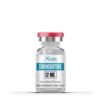

PF-08653944 (Berobenatide): UK Research & Regulatory Information
PF-08653944, also known as berobenatide, PF’3944 and previously MET-097i, is an investigational ultra-long-acting GLP-1 receptor agonist being developed by Pfizer for chronic weight management.
Pfizer describes PF-08653944 as a fully biased, ultra-long-acting injectable GLP-1 receptor agonist. The medicine is being studied as both a weekly and potentially monthly treatment. Phase 3 clinical research is currently underway in adults with overweight or obesity.
PF-08653944 is not currently an MHRA-authorised medicine for routine prescribing in the UK. It should therefore be presented as an investigational medicine rather than as an approved UK weight-loss product available for ordinary purchase.
What Is PF-08653944?
PF-08653944 is a next-generation GLP-1 receptor agonist being investigated by Pfizer as a long-acting treatment for obesity and overweight.
The compound was previously identified as MET-097i and is now referred to by Pfizer as PF-08653944 or PF’3944. The clinical development programme is designed to investigate whether its prolonged activity can support less frequent dosing while maintaining meaningful effects on body weight.
Pfizer is also studying PF-08653944 in combination with other investigational metabolic medicines, including an amylin analogue and a GIP receptor agonist.
How Does PF-08653944 Work?
PF-08653944 is designed to activate the GLP-1 receptor. GLP-1 receptor signalling is involved in appetite regulation, food intake and glucose metabolism.
Pfizer describes PF-08653944 as a fully biased GLP-1 receptor agonist. Its molecular design is intended to produce prolonged activity and potentially support less frequent administration than conventional daily or weekly medicines.
However, because PF-08653944 remains under clinical investigation, its final approved dose, indications, administration schedule and long-term safety profile cannot yet be assumed.
PF-08653944 and Weight Management Research
Pfizer is conducting an extensive clinical development programme for PF-08653944 in people with overweight or obesity.
The Phase 3 VESPER-6 study is evaluating once-monthly PF-08653944 in approximately 954 adults with overweight or obesity. The study began in June 2026 and is designed to assess changes in body weight and safety. ClinicalTrials.gov lists Pfizer as the sponsor.
The study includes adults with obesity or overweight plus weight-related conditions such as hypertension, dyslipidaemia, obstructive sleep apnoea, cardiovascular disease or type 2 diabetes.
For comparison with established treatments, see our pages for Mounjaro (tirzepatide) and Ozempic (semaglutide).
Phase 2b Research
Before entering the current Phase 3 programme, PF-08653944 was evaluated in the Phase 2b VESPER-3 study.
Pfizer reported statistically significant weight reduction at 28 weeks and described continued weight loss after participants switched from weekly to monthly dosing. Pfizer also reported a competitive tolerability profile in the study. These were company-reported topline results and do not represent regulatory approval.
The company stated in February 2026 that multiple Phase 3 studies were expected to advance during 2026, reflecting a broad clinical-development programme for the medicine.
PF-08653944 and Type 2 Diabetes
PF-08653944 is also being investigated in adults with overweight or obesity and type 2 diabetes.
The Phase 3 VESPER-5 study enrolled more than 1,000 adults and evaluates PF-08653944 against placebo. Participants receive the study medicine or placebo through subcutaneous injection, with body weight and HbA1c among the outcomes being measured.
The study record identifies PF-08653944 as MET097 and describes it as a fully biased, ultra-long-acting GLP-1 receptor agonist.
Monthly Dosing Research
One of the most notable aspects of PF-08653944 is its potential for extended dosing intervals.
Pfizer’s Phase 2b research investigated whether weight loss could continue after switching participants from weekly treatment to monthly maintenance dosing. The company reported that weight loss continued without a plateau at 28 weeks.
The Phase 3 VESPER-6 trial is specifically evaluating once-monthly PF-08653944. This makes dosing frequency an important part of the medicine’s clinical-development strategy.
Monthly administration remains investigational and should not be presented as an approved dosing recommendation.
PF-08653944 vs Semaglutide and Tirzepatide
| Medicine | Mechanism | Current UK position |
|---|---|---|
| PF-08653944 | Ultra-long-acting GLP-1 receptor agonist | Investigational |
| Semaglutide | GLP-1 receptor agonist | Authorised medicines exist for specific UK indications |
| Tirzepatide | GIP + GLP-1 receptor agonist | Authorised in the UK for specific indications |
PF-08653944 is therefore different from both semaglutide and tirzepatide. Semaglutide activates the GLP-1 receptor, while tirzepatide activates both GIP and GLP-1 receptors.
PF-08653944 is being developed with a particular focus on prolonged GLP-1 receptor activity and potentially less frequent administration.
Is PF-08653944 Approved in the UK?
No. PF-08653944 is not currently authorised for routine prescribing in the UK.
The medicine remains in clinical development. Current ClinicalTrials.gov records identify active Phase 3 studies, including VESPER-6 for adults with overweight or obesity and VESPER-5 for adults with overweight or obesity and type 2 diabetes.
Clinical-trial registration does not constitute UK marketing authorisation. A medicine must receive the appropriate regulatory approval before it can be routinely marketed and prescribed in the UK.
Can You Buy PF-08653944 Online?
PF-08653944 should not be marketed as an approved UK weight-loss medicine or offered as a routine prescription product while it remains investigational.
Consumers should be cautious of websites claiming to sell research-stage medicines. Products obtained outside legitimate clinical research or authorised pharmaceutical channels may carry risks relating to identity, purity, storage, contamination and dosing.
For information about established medicines, visit our weight-management medicines category or read our health and medicine articles.
Safety and Side Effects
The complete long-term safety profile of PF-08653944 has not yet been established because clinical development is ongoing.
Clinical trials are designed to monitor adverse reactions, tolerability and laboratory measurements while researchers determine appropriate doses.
Pfizer reported a competitive tolerability profile in its Phase 2b VESPER-3 study, but results from an investigational trial should not be interpreted as establishing the medicine’s final safety profile.
Patients should not use PF-08653944 outside an appropriate clinical research setting unless and until the medicine receives the necessary regulatory authorisations.
Clinical Trials for PF-08653944
- VESPER-6 – NCT07595549: Phase 3 study evaluating once-monthly PF-08653944 in adults with overweight or obesity. The study is recruiting and has an estimated completion date in 2028.
- VESPER-5 – NCT07400653: Phase 3 study in adults with overweight or obesity and type 2 diabetes. The study evaluates body-weight and HbA1c outcomes.
- VESPER-3: Phase 2b research investigating monthly maintenance dosing and the weight-management effects of PF-08653944. Pfizer reported topline results in February 2026.
Frequently Asked Questions
What is PF-08653944?
PF-08653944 is an investigational ultra-long-acting GLP-1 receptor agonist developed by Pfizer for research into chronic weight management and related metabolic conditions.
What is berobenatide?
Berobenatide is the name now associated with PF-08653944. Pfizer has also referred to the compound as PF’3944 and previously as MET-097i.
Is PF-08653944 a GLP-1?
Yes. PF-08653944 is being developed as a fully biased, ultra-long-acting GLP-1 receptor agonist.
Can PF-08653944 be taken monthly?
Monthly administration is being investigated. Pfizer’s VESPER-6 Phase 3 study specifically evaluates once-monthly PF-08653944.
Is PF-08653944 approved in the UK?
No. It remains an investigational medicine and is not currently authorised for routine UK prescribing.
Is PF-08653944 the same as Ozempic?
No. Both are associated with GLP-1 receptor activity, but PF-08653944 is an investigational ultra-long-acting compound, while Ozempic contains semaglutide and has authorised UK indications.
Is PF-08653944 the same as Mounjaro?
No. Mounjaro contains tirzepatide, which activates GIP and GLP-1 receptors. PF-08653944 is being developed as a GLP-1 receptor agonist.
Can I buy PF-08653944 online?
PF-08653944 should not be marketed as a routinely available UK prescription medicine while it remains investigational. Online products claiming to contain research-stage medicines may also present significant quality and authenticity concerns.
Who is developing PF-08653944?
Pfizer is developing PF-08653944 as part of its obesity and metabolic-disease research programme.
Key Product Information
| Product | PF-08653944 (Berobenatide / PF’3944) |
|---|---|
| Developer | Pfizer |
| Previous development name | MET-097i |
| Drug class | Ultra-long-acting GLP-1 receptor agonist |
| Administration under investigation | Subcutaneous injection |
| Dosing under investigation | Weekly and once-monthly regimens |
| Primary research area | Chronic weight management |
| Additional research | Overweight/obesity with type 2 diabetes |
| UK authorisation | Not currently authorised for routine prescribing |
| Regulatory status | Investigational |
Authoritative Resources
- ClinicalTrials.gov – VESPER-6 Phase 3 study
- ClinicalTrials.gov – VESPER-5 Phase 3 study
- Pfizer – PF-08653944 Phase 2b update
- Pfizer – Medicine development pipeline
Related Medicines and Information
For information about established medicines, see Mounjaro (tirzepatide), Ozempic (semaglutide) and Rybelsus (semaglutide).
You can also browse our weight-management category, diabetes category and health and medicine blog.
Important Disclaimer
This page is provided for educational and research information. PF-08653944 (berobenatide / PF’3944) is an investigational medicine and should not be presented as an MHRA-authorised treatment for routine UK prescribing. Clinical-trial and regulatory information can change as development progresses. Patients should speak with an appropriately qualified healthcare professional about authorised treatment options.
Be the first to review “PF-08653944 (Berobenatide / PF’3944)”
Related products
Uncategorized
Exenatide
Uncategorized

GSBR-1290
Uncategorized
Uncategorized
Reviews
There are no reviews yet.