
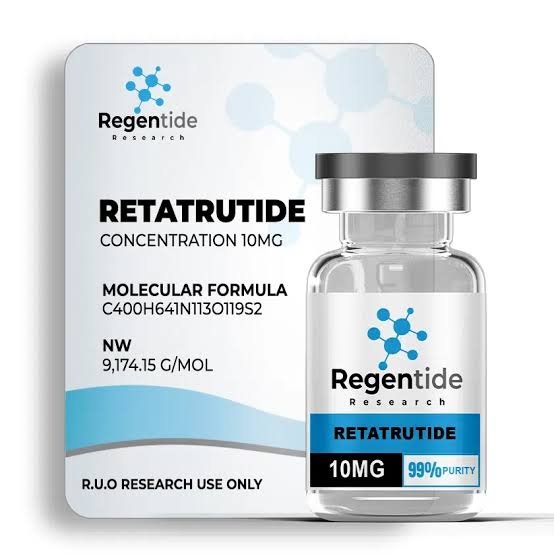
Retatrutide: Investigational Triple Agonist for Weight Management
Retatrutide is an investigational medicine being developed by Eli Lilly for potential treatment of obesity, overweight and related metabolic conditions. It is a first-in-class triple hormone receptor agonist that targets the GIP, GLP-1 and glucagon receptors.
Important UK information: Retatrutide has not been approved for UK use and is not currently an authorised medicine for routine prescribing. The MHRA has specifically stated that retatrutide remains in clinical development and that products claiming to contain retatrutide and sold in the UK outside authorised clinical trials are likely to be illegal and potentially dangerous.
What Is Retatrutide?
Retatrutide is a once-weekly injectable investigational medicine. Unlike medicines that target one or two hormonal pathways, retatrutide is designed to activate three receptors: GIP, GLP-1 and glucagon.
This triple-action approach is being investigated because these metabolic pathways can influence appetite, food intake, glucose metabolism and energy balance.
Retatrutide is therefore being studied as a potential future treatment for obesity and other metabolic diseases. However, clinical trial results should not be confused with regulatory approval.
How Does Retatrutide Work?
Retatrutide is described by its developer as a triple agonist because it activates three hormone receptors:
- GIP receptor: involved in metabolic and glucose-regulation pathways.
- GLP-1 receptor: involved in appetite regulation, food intake and glucose control.
- Glucagon receptor: involved in energy metabolism and regulation of energy expenditure.
The combination of these mechanisms is one of the main reasons retatrutide has attracted significant interest in obesity research.
Retatrutide and Weight Management Research
Retatrutide is being studied extensively in people with overweight or obesity. Phase 3 TRIUMPH studies are evaluating the medicine in several different populations.
In July 2026, Eli Lilly reported positive topline results from TRIUMPH-2 and TRIUMPH-3. In TRIUMPH-2, adults with obesity or overweight and type 2 diabetes achieved average weight reductions of up to 20.8% at 80 weeks. In TRIUMPH-3, adults with severe obesity and established cardiovascular disease achieved average weight reductions of up to 22.6% at 80 weeks.
These figures are clinical-trial results rather than guaranteed individual outcomes. The studies, their populations and their statistical analyses should be considered when interpreting the results.
Retatrutide and Type 2 Diabetes
Retatrutide is also being investigated in adults with type 2 diabetes. Researchers are evaluating its potential effects on body weight and measures of glycaemic control.
Because retatrutide has not yet received marketing authorisation, it should not currently be substituted for an authorised diabetes medicine. Patients with type 2 diabetes should use treatments prescribed by their healthcare professional.
For information about authorised diabetes medicines, see our diabetes medicines category.
Retatrutide vs GLP-1 Medicines
Retatrutide differs from conventional GLP-1 receptor agonists because it targets three receptors rather than primarily targeting GLP-1 alone.
For example, Ozempic (semaglutide) is a GLP-1 receptor agonist, while Mounjaro (tirzepatide) acts on GIP and GLP-1 receptors.
Retatrutide adds glucagon receptor activity to GIP and GLP-1 receptor activity, making it pharmacologically different from both semaglutide and tirzepatide.
Retatrutide Clinical Trials
Retatrutide has progressed into Phase 3 clinical development. Eli Lilly has reported results from multiple pivotal studies and continues to evaluate the medicine in different patient populations.
The clinical development programme is important because regulators require substantial evidence of a medicine’s quality, safety and effectiveness before deciding whether it can be authorised.
The MHRA has also published a paediatric investigation plan relating to retatrutide for obesity, demonstrating that regulatory development work is continuing. This does not mean that retatrutide is authorised for children or adults in the UK.
Is Retatrutide Approved in the UK?
No. Retatrutide is not currently approved for UK use.
The MHRA has explicitly stated that retatrutide is a GLP-1 medicine in clinical development and has not been approved for UK use. Outside authorised clinical trials, products sold in the UK claiming to contain retatrutide are likely to be illegal and potentially dangerous.
For the latest UK regulatory information, visit the Medicines and Healthcare products Regulatory Agency (MHRA).
Can You Buy Retatrutide Online?
Retatrutide should not be treated as an ordinary online medicine. It is not currently an authorised UK prescription product.
Consumers should be particularly cautious about websites, social-media advertisements or other sellers claiming to supply pharmaceutical-grade retatrutide outside a legitimate clinical trial. The MHRA has warned about the potential risks associated with illicit weight-loss medicines and specifically identified retatrutide as a medicine that has not been approved for UK use.
Do not use an unverified product labelled as retatrutide. Its identity, purity, strength, sterility and manufacturing quality may not be independently verified.
Retatrutide Safety
Because retatrutide remains investigational, its complete long-term safety profile and final prescribing information have not yet been established.
Clinical trials continue to evaluate adverse events, tolerability, dosing and longer-term outcomes. Reported trial findings should therefore be interpreted in the context of the specific study.
Retatrutide should not be self-administered outside an appropriate clinical research setting or future authorised prescribing framework.
Retatrutide and Gastrointestinal Effects
Medicines affecting metabolic hormone pathways can be associated with gastrointestinal adverse effects. Clinical development programmes evaluate symptoms such as nausea, vomiting and diarrhoea alongside other potential adverse events.
However, it would be inappropriate to apply a final authorised-medicine side-effect profile to retatrutide before regulatory authorities have completed their assessment.
Retatrutide vs Mounjaro
Mounjaro (tirzepatide) is an authorised medicine in the UK for specific indications, including weight management and type 2 diabetes. Tirzepatide activates GIP and GLP-1 receptors.
Retatrutide is different because it targets GIP, GLP-1 and glucagon receptors. Retatrutide therefore remains a research-stage treatment rather than an alternative that patients should switch to independently.
Retatrutide vs Semaglutide
Ozempic and Rybelsus contain semaglutide and are authorised in the UK for type 2 diabetes. Retatrutide is an investigational triple agonist with a substantially different receptor profile.
Patients should not compare these medicines solely on reported clinical-trial weight-loss percentages. Indications, dosing, eligibility, safety information and regulatory status all need to be considered.
Important Information About Retatrutide
- Retatrutide is investigational.
- It has not been approved for routine use in the UK.
- It is currently being evaluated in Phase 3 clinical trials.
- It targets GIP, GLP-1 and glucagon receptors.
- It is being studied for obesity, overweight and metabolic conditions.
- Clinical-trial results do not guarantee individual outcomes.
- Unverified retatrutide products should not be used.
- Do not present retatrutide as an authorised medicine available for routine purchase.
Frequently Asked Questions
What is retatrutide?
Retatrutide is an investigational once-weekly injectable medicine being developed by Eli Lilly. It activates GIP, GLP-1 and glucagon receptors and is being studied for obesity and related metabolic conditions.
Is retatrutide approved in the UK?
No. Retatrutide has not been approved for UK use and remains in clinical development.
Is retatrutide available on prescription?
Retatrutide is not currently an authorised routine prescription medicine in the UK. Access is limited to appropriate clinical research settings.
Is retatrutide the same as Mounjaro?
No. Mounjaro contains tirzepatide, which acts on GIP and GLP-1 receptors. Retatrutide is designed to activate GIP, GLP-1 and glucagon receptors.
Is retatrutide the same as Ozempic?
No. Ozempic contains semaglutide, a GLP-1 receptor agonist. Retatrutide is an investigational triple agonist.
Is retatrutide a GLP-1 medicine?
Retatrutide activates the GLP-1 receptor, but it is more accurately described as a triple agonist because it also activates GIP and glucagon receptors.
Is retatrutide available for weight loss?
Retatrutide is being investigated for weight management, but it is not currently authorised as a routine UK weight-loss treatment.
Can I buy retatrutide online?
Unverified products marketed online as retatrutide should not be used. The MHRA has warned that retatrutide has not been approved for UK use and products sold outside authorised clinical trials may be illegal and potentially dangerous.
Key Product Information
| Product | Retatrutide |
|---|---|
| Developer | Eli Lilly |
| Drug class | Investigational triple agonist |
| Targets | GIP, GLP-1 and glucagon receptors |
| Administration studied | Once-weekly injection |
| Research areas | Obesity, overweight and type 2 diabetes |
| Development stage | Phase 3 clinical development |
| UK authorisation | Not approved for UK use |
| Routine UK availability | Not authorised |
Authoritative Resources
MHRA – Retatrutide and illicit weight-loss medicines
MHRA – Medicines and Healthcare products Regulatory Agency
Eli Lilly – What to know about retatrutide
ClinicalTrials.gov – Clinical trial information
Related Medicines
For information about authorised medicines, explore Mounjaro (tirzepatide), Ozempic (semaglutide), Rybelsus (semaglutide), our weight-management medicines or our health and medicine blog.
Medical disclaimer: This page is provided for educational purposes only. Retatrutide is an investigational medicine and is not currently authorised for routine use in the UK. It should not be used outside an appropriate clinical research or future authorised prescribing setting. Always seek advice from a qualified healthcare professional regarding treatment.
Be the first to review “Retatrutide”
Related products
Exenatide
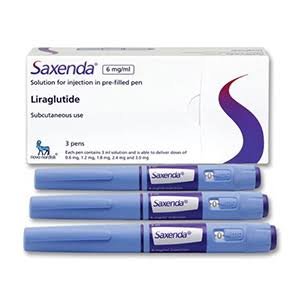
liraglutide

Uncategorized

semaglutide
Uncategorized
Uncategorized
Reviews
There are no reviews yet.