
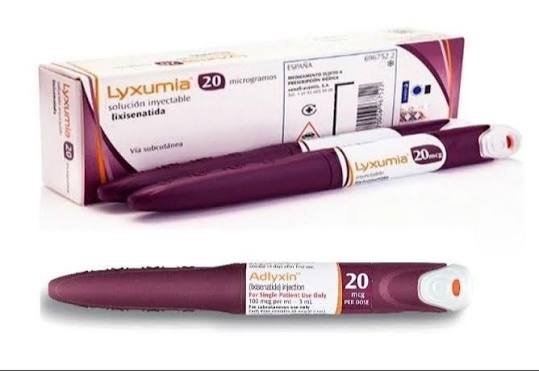
Adlyxin is a brand name associated with lixisenatide, a glucagon-like peptide-1 (GLP-1) receptor agonist developed for the treatment of adults with type 2 diabetes. Lixisenatide works by mimicking the actions of naturally occurring GLP-1, a hormone involved in blood-glucose regulation.
UK regulatory notice: Lixisenatide is no longer authorised in the UK. The Medicines and Healthcare products Regulatory Agency (MHRA) confirmed in its January 2026 drug safety update that lixisenatide is no longer authorised in the UK. Therefore, Adlyxin should not be presented on a UK website as a currently authorised or routinely available UK prescription medicine.
This page is provided for educational and reference purposes, helping readers understand Adlyxin, lixisenatide, its mechanism of action and its place within the wider GLP-1 medicine class.
What Is Adlyxin?
Adlyxin is a brand associated with lixisenatide, a short-acting GLP-1 receptor agonist. GLP-1 receptor agonists are medicines that act on receptors involved in the regulation of blood glucose.
Lixisenatide was developed for adults with type 2 diabetes and was administered by subcutaneous injection. Like other medicines in the GLP-1 class, its effects involve glucose-dependent insulin secretion and suppression of glucagon when blood glucose levels are elevated.
Although the GLP-1 medicine class has expanded considerably, individual medicines have different regulatory approvals, dosing schedules, indications and safety information.
What Was Lixisenatide Used For?
Lixisenatide was developed for the management of type 2 diabetes mellitus. It was intended to be used alongside appropriate diet and physical activity and could be prescribed with other diabetes medicines where clinically appropriate.
It is important to distinguish medicines used for diabetes from medicines specifically authorised for weight management. A GLP-1 medicine should not automatically be considered a weight-loss medicine simply because medicines within the same class may influence body weight.
For current UK treatment options, patients should consult an appropriately qualified prescriber rather than attempting to obtain or use an unauthorised lixisenatide product.
How Does Lixisenatide Work?
Lixisenatide belongs to the GLP-1 receptor agonist class. GLP-1 receptor activation can help stimulate insulin secretion when blood glucose is elevated and can reduce glucagon secretion.
GLP-1 receptor agonists can also slow gastric emptying. This can affect the rate at which glucose enters the bloodstream following a meal.
These combined effects can contribute to improved blood-glucose control in people with type 2 diabetes.
Adlyxin and the GLP-1 Medicine Class
Adlyxin belongs to the same broad GLP-1 receptor agonist family as medicines containing semaglutide, liraglutide, dulaglutide and exenatide.
However, medicines in this class are not identical. They can differ in their active ingredients, duration of action, dosing frequency, approved indications and regulatory status.
For example, Ozempic contains semaglutide, while Victoza contains liraglutide. Trulicity contains dulaglutide.
Another medicine, Mounjaro, contains tirzepatide and acts on both GIP and GLP-1 receptors.
Is Adlyxin Available in the UK?
No. Lixisenatide is no longer authorised in the UK.
The MHRA’s January 2026 safety update specifically states that exenatide is no longer marketed in the UK and that lixisenatide is no longer authorised.
This distinction is important for anyone searching online for Adlyxin or lixisenatide. A website listing an old or overseas product does not mean that the medicine is currently authorised or available through the UK medicines supply chain.
Patients should not purchase medicines from unverified websites simply because a particular product is unavailable through the normal UK supply system.
Adlyxin and Type 2 Diabetes
Type 2 diabetes is a long-term condition affecting the way the body regulates blood glucose. Treatment may involve lifestyle changes, oral medicines, injectable medicines or combinations of different treatments.
GLP-1 receptor agonists are one of the medicine classes that may be used as part of diabetes management for appropriate patients.
Because lixisenatide is no longer authorised in the UK, a patient who previously received lixisenatide should speak with their healthcare professional about an appropriate current treatment option.
What Are the Alternatives to Adlyxin?
There is no single replacement medicine that is automatically appropriate for every patient who previously used lixisenatide.
A healthcare professional may consider other diabetes treatments based on factors such as blood-glucose control, existing medicines, kidney function, cardiovascular risk, treatment goals and individual medical history.
Examples of medicines in related treatment areas include:
- Ozempic (semaglutide)
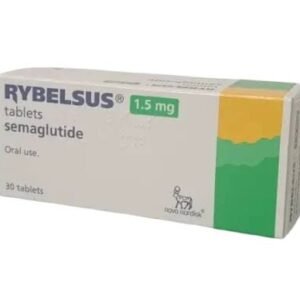
- Rybelsus (semaglutide)
- Victoza (liraglutide)
- Trulicity (dulaglutide)
- Mounjaro (tirzepatide)
These medicines are not direct substitutes that patients should switch between without professional guidance. Their indications and dosing schedules differ.
Important Safety Information
GLP-1 receptor agonists have important safety considerations. The MHRA issued updated safety information in January 2026 highlighting the risk of acute pancreatitis, including rare severe, necrotising and fatal cases, across GLP-1 receptor agonists and dual GLP-1/GIP receptor agonists.
Patients should seek medical advice if they develop severe or persistent abdominal pain or other concerning symptoms while receiving a GLP-1 or related medicine.
- Do not start lixisenatide without appropriate medical authorisation.
- Do not obtain Adlyxin from unverified online sources.
- Do not change diabetes treatment without consulting your prescriber.
- Tell your healthcare professional about all medicines you currently use.
- Follow the patient information supplied with the medicine actually prescribed to you.
- Seek urgent medical attention for serious or unexpected symptoms.
Adlyxin and Weight Management
Adlyxin should not be presented as a current UK-authorised weight-loss treatment.
The regulatory status of individual GLP-1 medicines varies. Some medicines in this class have UK-authorised indications for weight management, while others are authorised for type 2 diabetes only.
For example, weight-management medicines should be assessed according to their specific UK indication rather than simply being grouped together because they belong to the GLP-1 family.
Why Regulatory Status Matters
When researching medicines online, it is important to distinguish between historical product information, overseas availability and medicines currently authorised in the UK.
The electronic Medicines Compendium provides approved UK medicine information, including Summaries of Product Characteristics and Patient Information Leaflets. The eMC explains that its medicine information is checked and approved by the relevant UK or European medicines licensing authorities.
For current UK medicines, patients should rely on official regulatory information and advice from qualified healthcare professionals.
Frequently Asked Questions
What is Adlyxin?
Adlyxin is a brand name associated with lixisenatide, a GLP-1 receptor agonist developed for the treatment of type 2 diabetes.
Is Adlyxin available in the UK?
No. The MHRA states that lixisenatide is no longer authorised in the UK.
What is the active ingredient in Adlyxin?
The active ingredient associated with Adlyxin is lixisenatide.
Is lixisenatide a GLP-1 medicine?
Yes. Lixisenatide is a GLP-1 receptor agonist. It was developed to help regulate blood glucose in people with type 2 diabetes.
Was Adlyxin used for diabetes?
Yes. Lixisenatide was developed for the treatment of adults with type 2 diabetes.
Was Adlyxin authorised for weight loss in the UK?
No. Adlyxin should not be presented as a current UK-authorised weight-management medicine.
What can replace Adlyxin?
There is no universal replacement. A doctor or other qualified prescriber should review the patient’s treatment and select an appropriate currently authorised medicine.
Can I buy Adlyxin online?
Because lixisenatide is no longer authorised in the UK, patients should not attempt to obtain it from unverified online sellers. Speak with a qualified healthcare professional about current authorised treatment options.
Is Mounjaro the same as Adlyxin?
No. Mounjaro contains tirzepatide, while Adlyxin is associated with lixisenatide. Tirzepatide has a different mechanism because it acts on both GIP and GLP-1 receptors.
Is Ozempic the same as Adlyxin?
No. Ozempic contains semaglutide, whereas Adlyxin is associated with lixisenatide. They are different medicines and should not be substituted without professional prescribing advice.
Key Product Information
| Product | Adlyxin |
|---|---|
| Active ingredient | Lixisenatide |
| Medicine class | GLP-1 receptor agonist |
| Former therapeutic area | Type 2 diabetes |
| UK status | No longer authorised |
| Weight-management status | Not a current UK-authorised weight-management product |
| Prescription status | Prescription medicine when authorised |
Explore Related Medicines
For current information about diabetes medicines, visit our Diabetes Medicines category.
You can also explore information about Ozempic, Rybelsus, Victoza, Trulicity and Mounjaro.
For additional health and medicine articles, visit our health and medicine blog.
Official External Resources
For reliable medicine and regulatory information, consult the following authoritative resources:
- MHRA: GLP-1 receptor agonists – updated safety information
- Electronic Medicines Compendium (eMC)
- Medicines and Healthcare products Regulatory Agency (MHRA)
- NHS: Type 2 Diabetes
Important Notice
Adlyxin (lixisenatide) is included on this website for informational and search-reference purposes. Lixisenatide is no longer authorised in the UK, and this page must not be interpreted as an offer to supply an unauthorised medicine. Always obtain current treatment advice from a qualified UK healthcare professional.
Be the first to review “Adlyxin (Lixisenatide)”
Related products
semaglutide

Uncategorized
Weight Management
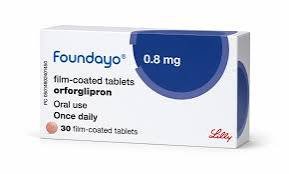
orforglipron
semaglutide
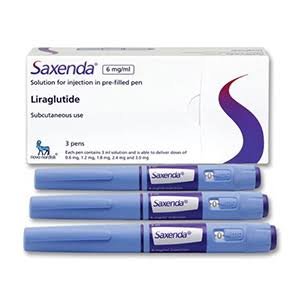
liraglutide
Uncategorized
Weight Management
Reviews
There are no reviews yet.